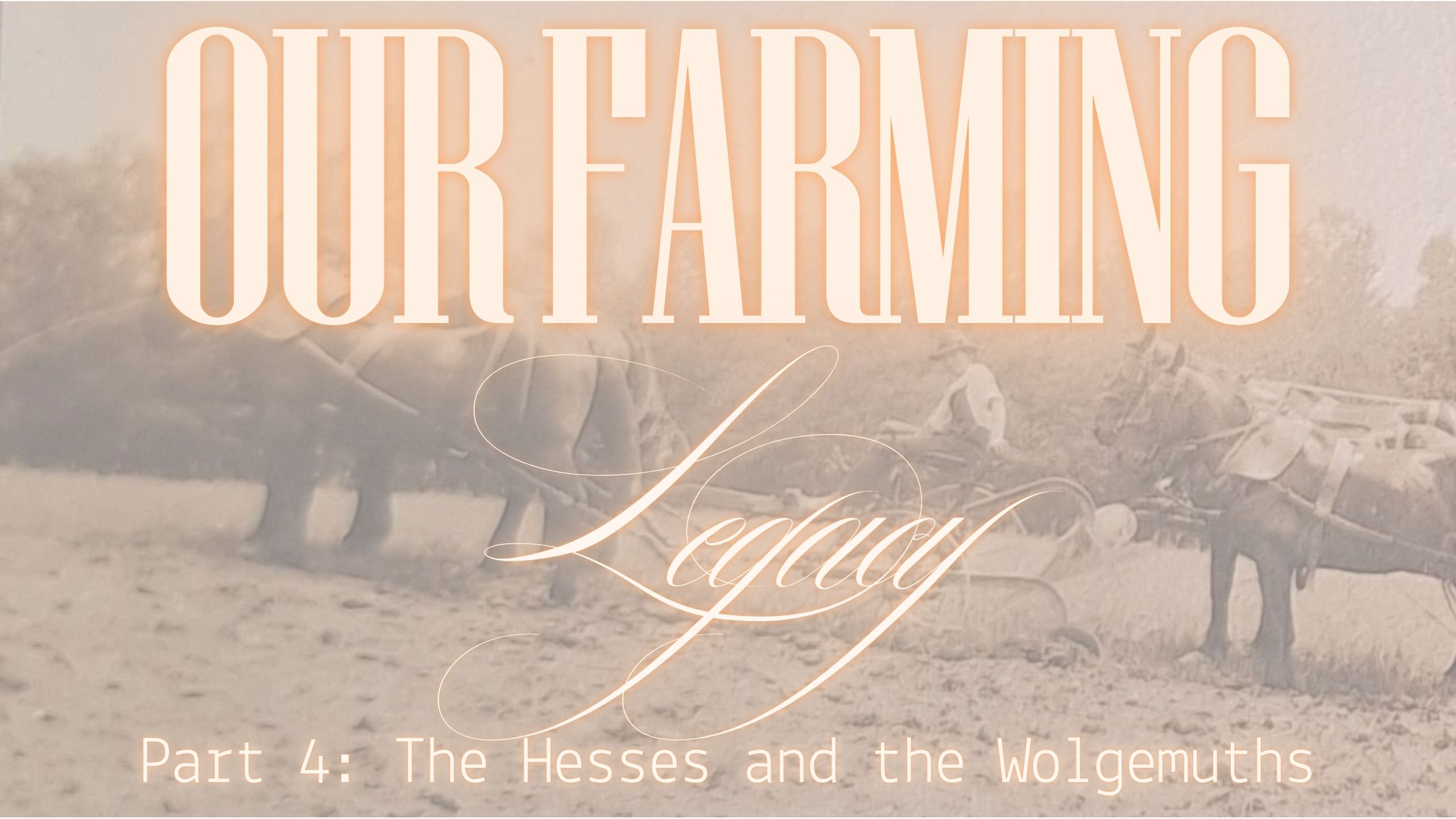
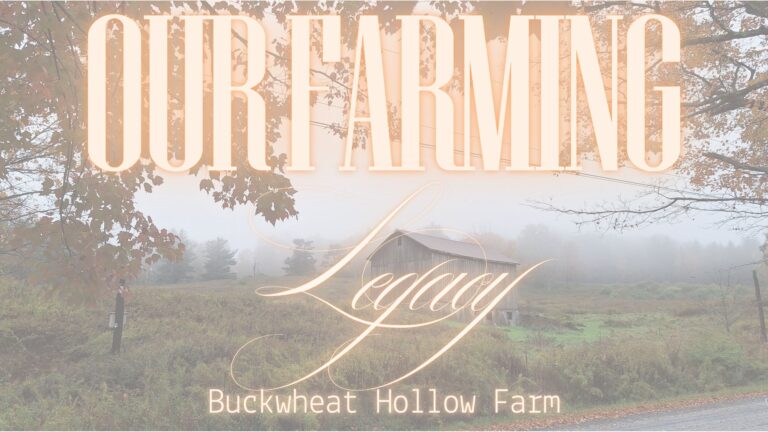
Our Farming Legacy

This week on the blog, we’re taking a break from recipes to round out our series on the farmers in our family. If you follow us on social media, you may have already seen the videos linked at the end of this post; either way, we hope it’s as interesting to you as it has been for us.

The Colliers

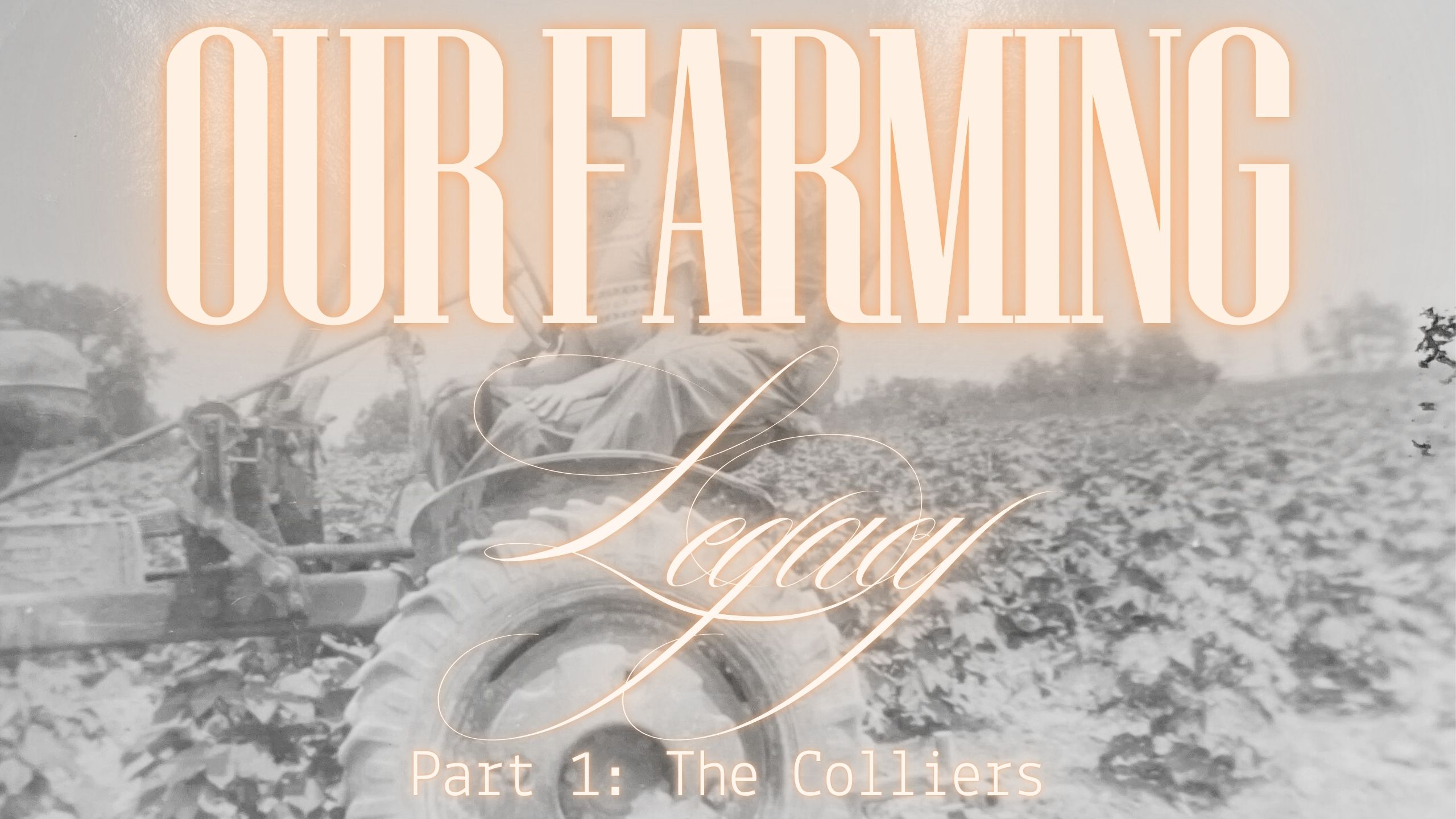
The first look into our family’s farmers starts in northern Alabama in the early 1900s.

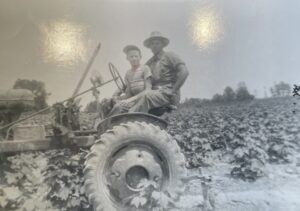
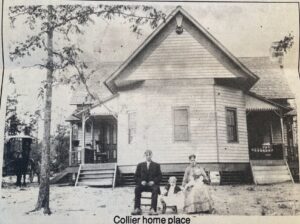
In 1909, Wesley Collier built a home on the 40 cleared (of 250 total) acres of land gifted to him by his father, Hiram McDuffy Collier. Wesley raised his family, including son Harvey, on the homeplace which stood until the early 2000s.

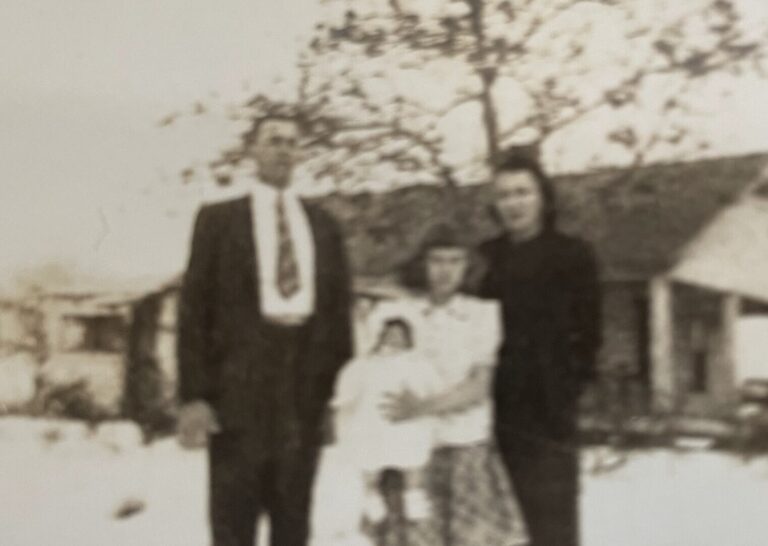
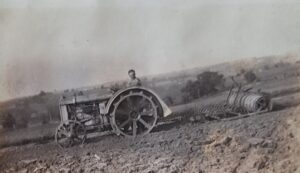
Harvey built his own home in Cullman, Alabama, in 1945. His 40 acre plot came with a chicken house, barn, and tractor shed, and over the years he added on a porch, bathroom, and a well.

To feed his family, Harvey raised chickens, pigs, and beef and milk cows. He also hunted and kept a stocked fishing pond. Later in life, Harvey turned his property into a cattle farm for income prior to his retirement.

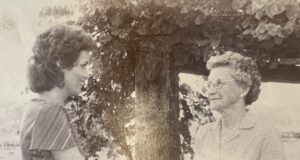
The Colliers also grew several crops (notably cotton and soybeans). Harvey’s wife Altha was known for preparing and preserving their fruits and veggies for the family and others.

The Lowrys

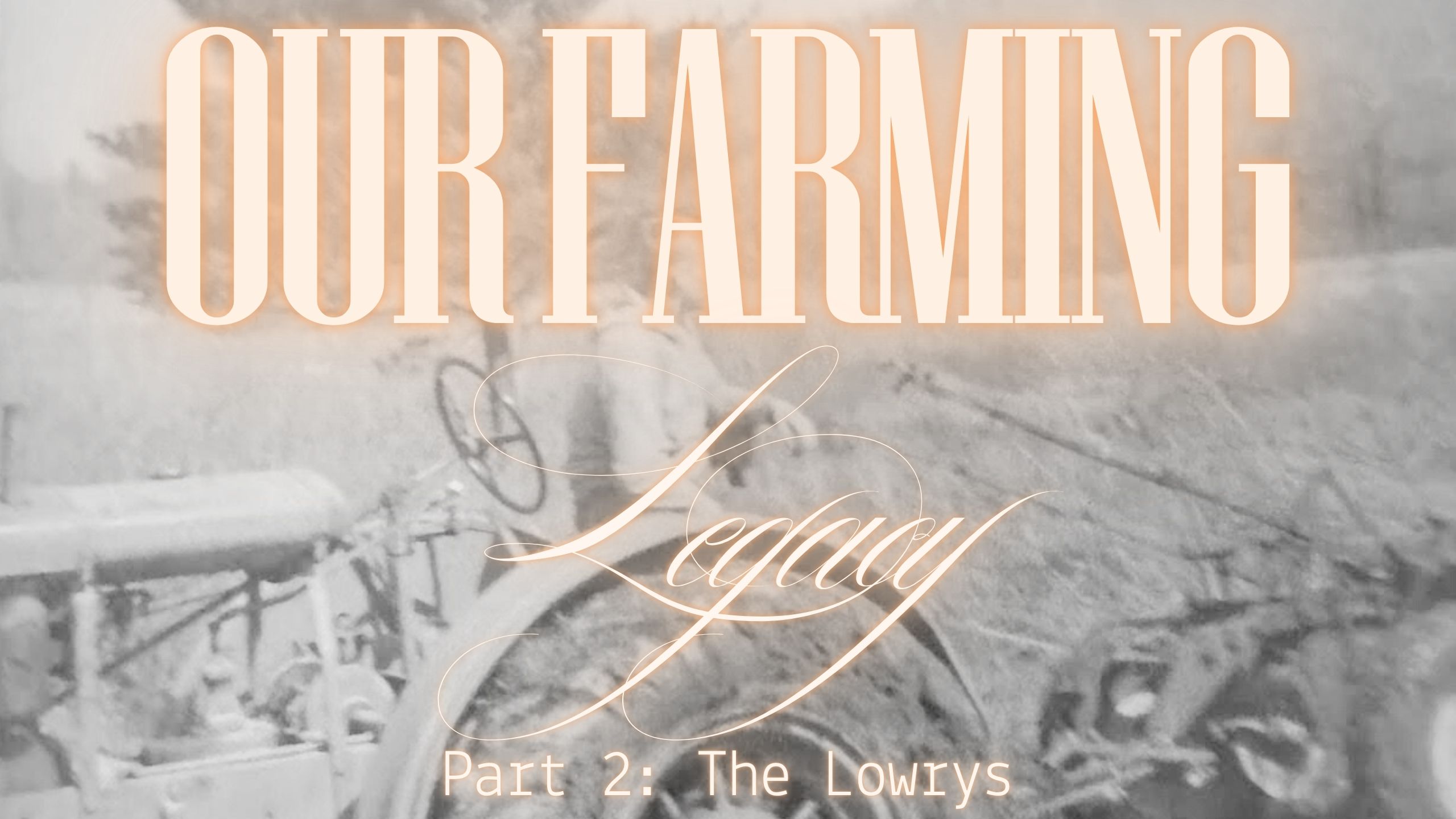
This part of the story takes place on Purdue Mountain Road in Bellefonte, Pennsylvania in the early 1900s.

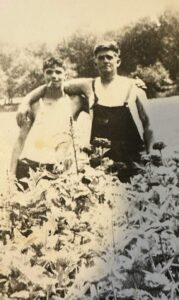
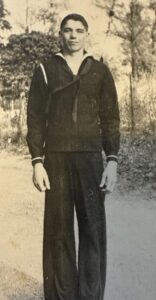
Sherman Edward and Ella Elmira Lowry lived there on a farm they worked with their son, Sherman Elwood Lowry, Sr. Sherman Elwood farmed full time after finishing the 8th grade, until he entered the Navy near the end of WWII.

Sherman Elwood later married Ulla Bjalme whose family had come to Bellefonte from Sweden so that the local match factory could employ her father’s expertise in the manufacture of safety matches.

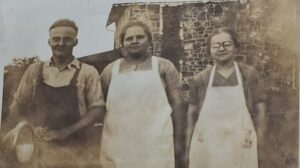
Although both Sherman and Ulla maintained off-farm jobs, they lived on Lowry land raising various farm animals and produce to help feed their family. Their children all helped in their own ways with this effort.

Although much of the Lowry farmstead has been sold off over the years, many Lowry decendents have inherited the love of raising farm animals.

The Groffs and Hubers

We have record of these families coming to the new world in the 1700s to escape religious persecution in Europe. Through Bible study, they came to understand that infant baptism has no Biblical basis; instead believers should be baptized in response to their free and uncoerced faith in God. Consequentially, they also believed that the bodies of church and state should be separated.

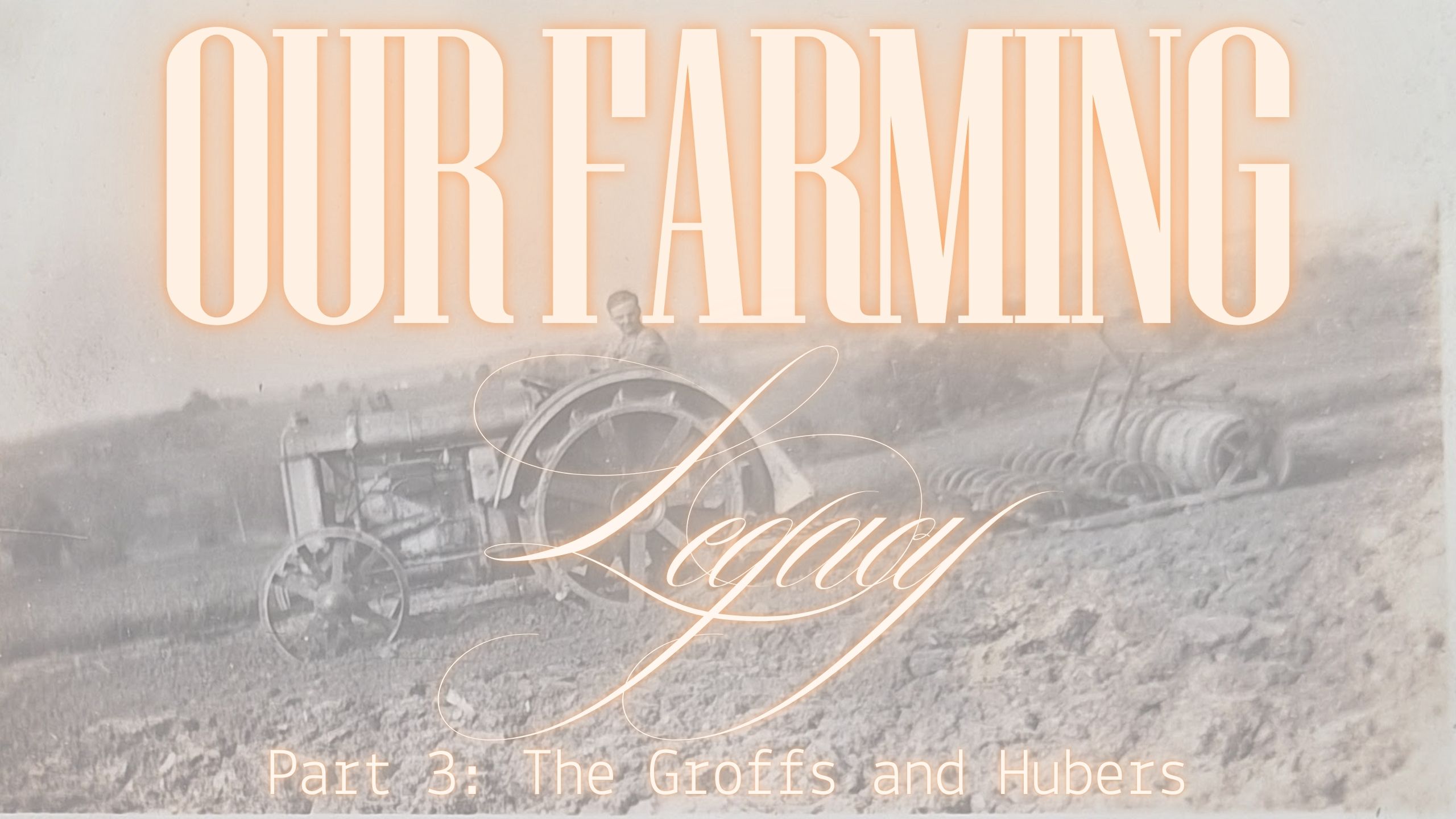
And so, among other Mennonites, the Hubers came to Lancaster County, Pennsylvania in 1712, followed by the Groffs in 1715. Abraham Huber took a 200-acre tract of land east of Lititz in 1734.

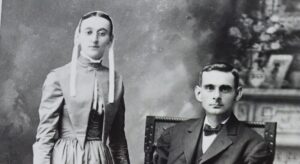
Five generations later, in 1908, Christian M. Groff and his wife Mary were married. They had a truck patch garden that yielded enough produce to feed the family and to sell at the Saturday market in Lancaster.

Jacob Huber was also a farmer; his son Lloyd (who married Elizabeth Groff in 1930) farmed for a time before attending butchering school. He was the butcher at the Tritown Supermarket in Leola prior to retirement.

Throughout her life, Lloyd and Elizabeth’s daughter, Lois, has always been involved in farming and preserving on a small scale. We are thankful that both she and her sister Mary have been able to visit us here on the farm.

The Hesses and Wolgemuths

These families also came to the New World in the 1700s to escape religious persecution in Europe: the Hess family with the Hubers in 1712, and the Wolgemuths in 1736.

In 1734, Jacob Hess took land east of Lititz, Pennsylvania; Abraham Wolgemuth purchased land in the state in 1742. The Wolgemuths were listed as “Non-Associators” during the Revolutionary war, paying fines for refusing to perform military duty.

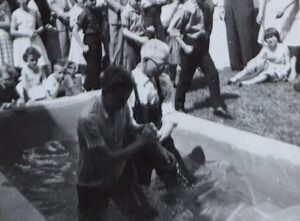
Five generations later, Abram Wolgemuth married and became a member of the Church of the Brethren- a group known in the 1700s as “Dunkards” for their understanding that immersion was the manner in which belivers should be baptized. He and his family farmed in Bareville, Pennsylvania; his wife Emma served as president of the “Farm Women’s Society No. 2” for 15 years.

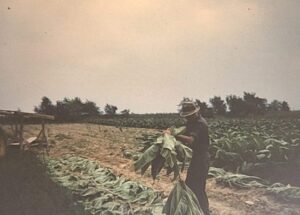
Abram’s son Harry followed in his father’s farming footsteps, predominantly raising tobacco, in addition to become a lay minister at his local congregation. He married Ruth Hess in 1928, and their family continued farming for 43 years.

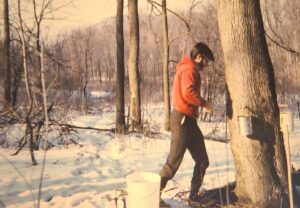
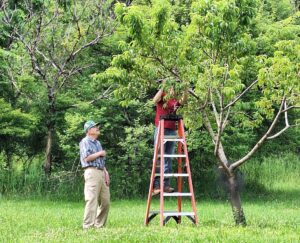
Though Harry’s son Carl was part of the first generation of Wolgemuths to attend college, he never left his farming roots behind. He and his wife Lois Huber maintained a small orchard and large garden plots and tapped maple trees.

Carl’s son Andrew professionally took our Wolgemuth line back into agriculture when he became a forester. Growing up, he ensured we always had the largest garden plot we could, often featuring sweet corn, lettuce, potatoes, and onions, among other delicious veggies and fruits.

Only the Beginning

While we appreciated those who worked hard to produce food for so many, farming was never on our radars as Ryan and I were growing up in the south. And if you’ve read “Our Story,” you know I was quite shocked when he originally suggested entering the field ourselves.

But as we’ve sifted through the history of the Collier, Lowry, Groff, Huber, Hess, and Wolgemuth families, it doesn’t seem so shocking at all that we would end up working as so many of our ancestors did. In fact, it really just seems like we’ve come full circle.

We hope you’ve enjoyed this look back in time as much as we have. If you’re interested in some more details, check out the full family videos in the links below and let us know what you think!
The Full YouTube Playlist

Our Farming Legacy

4 Videos

Leave a Reply

Your email address will not be published. Required fields are marked *

Share the Post: